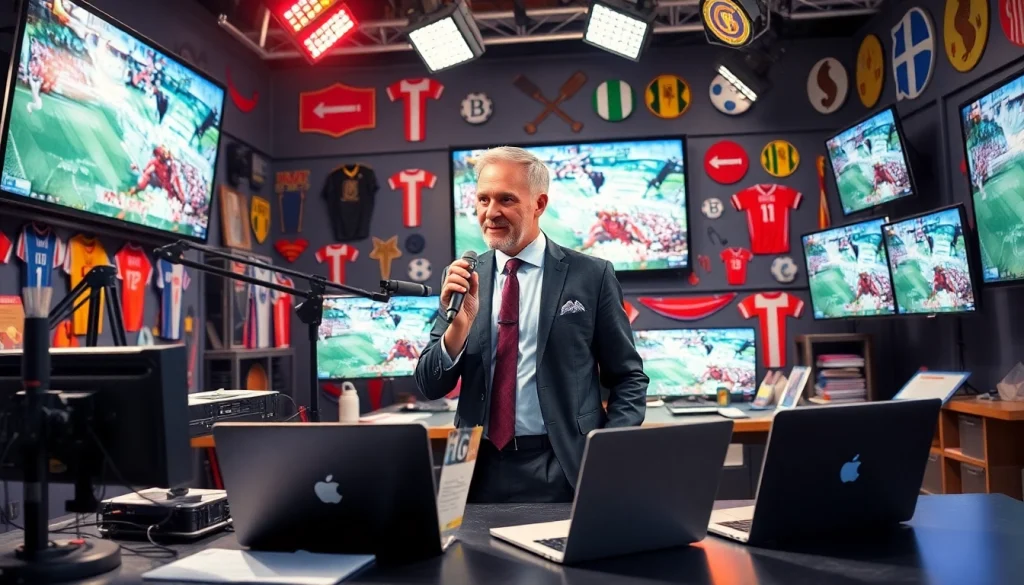
Understanding Sports Broadcasting Fundamentals
Sports Broadcasting is a dynamic field that encompasses the transmission of live sports events, commentary, analysis, and discussions through various platforms. The landscape of this medium is vast, and understanding its core elements is crucial for anyone involved in or interested in the industry. A solid grasp of the fundamentals lays the groundwork for better engagement and audience connection. In this article, we will delve into the key components, the role of technology, and the various formats that define Sports Broadcasting today. You can explore more aspects of Sports Broadcasting as we unfold this topic in detail.
Key Components of Sports Broadcasting
At the heart of effective Sports Broadcasting are several critical components that work together to create a seamless viewing experience. These components include:
- Commentary: The voice that guides viewers through the action, providing insights, analysis, and context.
- Camera Work: High-quality visuals capture the intensity and details of the event, crucial for immersing the audience.
- Graphics and Statistics: Real-time data and graphics enhance storytelling by providing viewers with in-depth insights and context.
- Production Quality: The overall sound and visual quality significantly impact viewer experience, including audio clarity and camera angles.
- Social Media Integration: Engaging with audiences through social media platforms fosters community and immediate viewer interaction.
The Role of Technology in Sports Broadcasting
Technology plays a pivotal role in shaping Sports Broadcasting. From satellite links to the latest streaming services, advancements in technology have transformed how audiences consume sports media:
- Live Streaming: Platforms now provide seamless streaming experiences, allowing viewers to watch sporting events on their devices regardless of location.
- Augmented Reality (AR): This technology enriches the viewing experience by superimposing data onto the field, enhancing understanding of plays and athlete performance.
- Analytics Tools: Broadcasters leverage real-time analytics to provide immediate insights, improving commentary and audience engagement.
- High-Definition Broadcasting: Enhanced visual quality makes broadcasts more captivating, helping viewers feel more connected to the action.
Types of Sports Broadcasting Formats
The sports broadcasting landscape is diverse, featuring various formats that cater to different audience needs and preferences. Some popular formats include:
- Live Commentary: Provides play-by-play action and instant analysis during live events.
- Highlight Shows: Recaps significant moments and key plays for fans who may have missed the live event.
- Analysis Programs: In-depth discussions and breakdowns of games, often featuring expert analysts and former athletes.
- Sports Talk Shows: Focus on broader sports topics, news, and opinions, often driven by audience participation.
The Impact of Sports Broadcasting on Audience Engagement
Effective Sports Broadcasting has a profound impact on audience engagement. Understanding the various elements that drive viewer involvement is essential for success in this domain.
Analyzing Viewer Demographics
Successful sports broadcasters recognize the importance of understanding their audience demographics. Different age groups, interests, and backgrounds influence how people engage with sports:
- Age Groups: Younger audiences may prefer interactive and digital content, while older audiences might favor traditional broadcasts.
- Geographical Differences: Location plays a role in sports interests and preferences, necessitating localized content strategies.
- Psychographic Factors: Understanding viewer interests and motivations helps broadcasters create more resonant content.
The Psychology Behind Sports Broadcasting
The psychology of sports broadcasting revolves around emotional connections. A successful broadcaster taps into viewer emotions, creating an immersive experience:
- Creating Heroes and Villains: By framing athletes and teams as heroes or villains, broadcasters heighten viewers‘ emotional investment.
- Shared Experiences: Broadcasting fosters community among fans, enabling them to share experiences, thus enhancing their emotional connection to the sport.
- Nostalgia: Referencing historical moments can evoke memories, deepening audience engagement.
Measuring Audience Interaction
Quantifying audience interaction is crucial for broadcasters seeking to gauge their impact and improve future broadcasts. Metrics include:
- Ratings: Assessing viewer numbers and demographics during broadcasts informs content strategy.
- Social Media Engagement: Likes, shares, and comments on social media platforms provide real-time feedback on audience sentiment.
- Surveys and Feedback: Actively seeking viewer feedback helps broadcasters understand audience preferences and make necessary adjustments.
Best Practices for Successful Sports Broadcasting
In the competitive world of Sports Broadcasting, success hinges on the adoption of best practices. Aspiring broadcasters can significantly enhance their capabilities by focusing on essential skills, finding their unique voice, and avoiding common pitfalls.
Essential Skills for Sports Broadcasters
To stand out in the field, sports broadcasters must cultivate several key skills, including:
- Communication: Effective and clear communication is vital, whether delivering commentary or interacting with fans.
- Research: A deep understanding of sports ensures accuracy and depth in analysis and commentary.
- Adaptability: Broadcasters must be prepared to change focus quickly based on game developments and audience reactions.
- Technical Proficiency: Familiarity with broadcasting technology and software enhances the quality of broadcasts.
Finding Your Unique Voice
Distinctive voices resonate more effectively with audiences. Broadcasters should consider the following strategies to develop their unique identity:
- Embrace Authenticity: Authenticity garners trust from viewers, as they appreciate genuine perspectives.
- Experiment with Style: Experimentation can help find a style that best engages personal strengths and audience preferences.
- Consistency: Consistent performance and style helps to create a recognizable brand that audiences can attach to.
Avoiding Common Pitfalls in Sports Broadcasting
Understanding and avoiding common pitfalls can significantly enhance a broadcaster’s effectiveness. Some frequent challenges include:
- Overuse of Jargon: While technical terms may be important, oversaturation can alienate casual viewers.
- Inadequate Preparation: Failing to prepare properly can lead to uninformed commentary and analysis.
- Ignoring Audience Feedback: Neglecting viewer opinions can hinder growth and improvement opportunities.
Innovations Shaping the Future of Sports Broadcasting
As technology continues to evolve, so too will the landscape of Sports Broadcasting. Several trends are shaping the future of this dynamic industry.
Trends in Digital Sports Broadcasting
Digitization has revolutionized Sports Broadcasting by providing new platforms and avenues for content delivery. Key trends include:
- Mobile Streaming: As more viewers turn to mobile devices for content, optimizing broadcasts for mobile consumption is critical.
- On-Demand Content: Providing flexible viewing options caters to viewers’ preferences for convenience and control over their viewing experiences.
- Subscription Models: As ad revenues shift, broadcasters are increasingly exploring subscription-based models for exclusive content.
The Rise of Interactive Sports Coverage
Viewers are no longer passive consumers of content; they desire interaction. Innovations such as:
- Real-Time Polls and Q&A Sessions: Engaging audiences during broadcasts enhances involvement and creates a sense of community.
- Virtual Reality Experiences: VR technology is used to provide immersive experiences that allow fans to feel closer to the action.
- Audience-Created Content: Incorporating viewer-submitted highlights and commentary can enrich broadcasts and personalize viewer experiences.
How Social Media Influences Sports Broadcasting
Social media has transformed how content is shared and consumed in Sports Broadcasting. Key influences include:
- Immediate Feedback: Broadcasters receive real-time feedback, allowing for rapid adjustments and engagement with audience sentiment.
- User-Generated Content: Fans often share their perspectives on social media, enriching the overall conversation surrounding a sporting event.
- Influencer Engagement: Collaborations with social media influencers can expand reach and attract younger audiences.
Case Studies: Successful Sports Broadcasting Examples
Examining successful case studies can offer invaluable insights into effective Sports Broadcasting strategies. The following sections highlight iconic broadcasts, interviews with leading broadcasters, and adaptable formats.
Highlighting Iconic Sports Broadcasts
Some broadcasts have left a lasting impact on the industry. Iconic examples include:
- The NFL Super Bowl: The Super Bowl is renowned not only for the game itself but also for groundbreaking commercials and celebrity appearances during the broadcast.
- The Olympics: The global nature of the Olympics brings diverse storytelling and massive audience engagement, making it a prime example of effective Sports Broadcasting.
- FIFA World Cup: Considered one of the most-watched sporting events, its broadcasts incorporate cultural elements, celebrating global sportsmanship while drawing in worldwide viewers.
Learning from the Pros: Interviews with Broadcasters
Insights from successful sports broadcasters reveal valuable strategies for aspiring professionals. Common themes from these interviews highlight the importance of:
- Authenticity in Broadcasting: Successful broadcasters emphasize being genuine and authentic in their delivery to engage viewers effectively.
- Continuous Learning: Broadcasters consistently seek knowledge and understanding of new developments in sports for enriching commentary.
- Emotional Connection: Crafting narratives that resonate emotionally with viewers leads to deeper engagement and loyalty.
Adjustable Formats for Diverse Audiences
Broadcasters need to be versatile, adapting formats to cater to different audience segments effectively. Approaches include:
- Short-Form Content: As attention spans shorten, 30-60 second highlights are effective in engaging audiences quickly.
- Long-Form Analysis: Extensive discussions and breakdowns cater to die-hard sports fans seeking in-depth understanding.
- Localized Coverage: Providing local sports updates caters to specific community interests and enhances viewer relevance.
FAQs
What is Sports Broadcasting?
Sports Broadcasting involves transmitting live sporting events and related commentary to audiences through radio, television, or online platforms.
What skills do I need for Sports Broadcasting?
A successful sports broadcaster should possess strong communication skills, quick thinking, sports knowledge, and the ability to engage audiences effectively.
How has technology impacted Sports Broadcasting?
Technology has revolutionized Sports Broadcasting, allowing real-time statistics, high-definition visuals, and interactive audience engagement through social media.
What are the different formats in Sports Broadcasting?
Formats include live commentary, analysis programs, highlights shows, and sports talk shows, catering to diverse audience preferences.
How do I improve my Sports Broadcasting performance?
Improving performance involves continuous learning, authentic storytelling, honing technical skills, and engaging with your audience across platforms.